How to Choose Conveyor Idler Rollers: Diameter, Bearing, Sealing & Frame
Idler rollers carry the belt and the load — and when one fails, it takes the belt with it. The four decisions that matter are position (trough, return, impact, transition), roller diameter, bearing and sealing, and tube thickness. Here is how to get all four right the first time.
Step 1: Choose the idler type by position
| Position | Idler type | Job |
|---|---|---|
| Carrying (loaded) side | Trough idlers (30°, 35°, 45°) | Form the trough that holds the material load |
| Return side | Return idlers (flat or V) | Support the empty belt back to the tail |
| Loading / transfer points | Impact idlers or impact bed | Absorb falling-material impact, protect belt and frame |
| Where belt angle changes | Transition idlers | Gradually flatten the belt from trough to flat |
If your belt already has a fixed frame, match the type to what is on the frame today — you are usually replacing like for like.
Step 2: Pick the roller diameter
Diameter is driven by belt speed and load. Common diameters are 89 mm, 108 mm, 133 mm and 159 mm. Rule of thumb: higher belt speed and heavier loads call for larger diameters — the bigger the roller, the lower the rotational speed and the better the bearing life. Minpart stocks all four sizes and can manufacture custom diameters.
Step 3: Bearing and sealing — the part that decides lifetime
- Bearings: sealed deep-groove ball bearings are the standard for mining duty. Grease-filled, maintenance-free options extend intervals.
- Sealing: labyrinth seals plus grease keep dust out of the bearing. In dusty mines, sealing quality matters more than bearing brand — a cheap seal kills an expensive bearing.
- Tube thickness: match to duty. Heavy impact and abrasive feed need thicker tube walls; light duty can run standard thickness for lower cost and weight.
Step 4: Match belt width and frame
Tell us your belt width (500–2400 mm) and frame type, and we supply rollers with the correct shaft diameter, bearing housing and bracket. If you have an existing roller, send the drawing or a sample — we match the dimensions exactly, including the hole pattern.
How to make rollers last longer
- Keep seals intact — damaged seals are the number one cause of premature bearing failure.
- Check rotation freely during maintenance; a roller that does not spin freely is already failing.
- Protect loading points with impact idlers or an impact bed so falling material never hits rollers directly.
- Fix belt tracking early — a mistracking belt wears roller ends and frames unevenly.
Ordering Minpart idler rollers
Minpart manufactures trough, return, impact and transition idlers as single replacement rollers or complete sets with frames. Send your roller diameter, belt width, tube thickness and any drawing or sample — we confirm the specification and quote within 24 hours.
Frequently Asked Questions
What idler roller diameter do I need?
Match diameter to belt speed and load: 89/108 mm for light and medium duty, 133/159 mm for heavy mining duty and higher speeds. If you are replacing, use the same diameter as the existing roller.
How long do idler rollers last?
With sealed bearings and proper lubrication, quality rollers run for years in normal duty. Life depends on load, speed, dust and whether loading points are protected.
Can you supply just single rollers, not complete frames?
Yes. We supply single replacement rollers, matched sets, or rollers with frames — whatever your maintenance plan needs. Send your drawing or sample for an exact match.
What is the difference between an impact idler and an impact bed?
Impact idlers are individual rollers at loading points; an impact bed is a continuous cradle of impact bars that supports the belt across the whole loading zone, giving better protection for heavy falls. Many plants use a bed for severe transfer points.
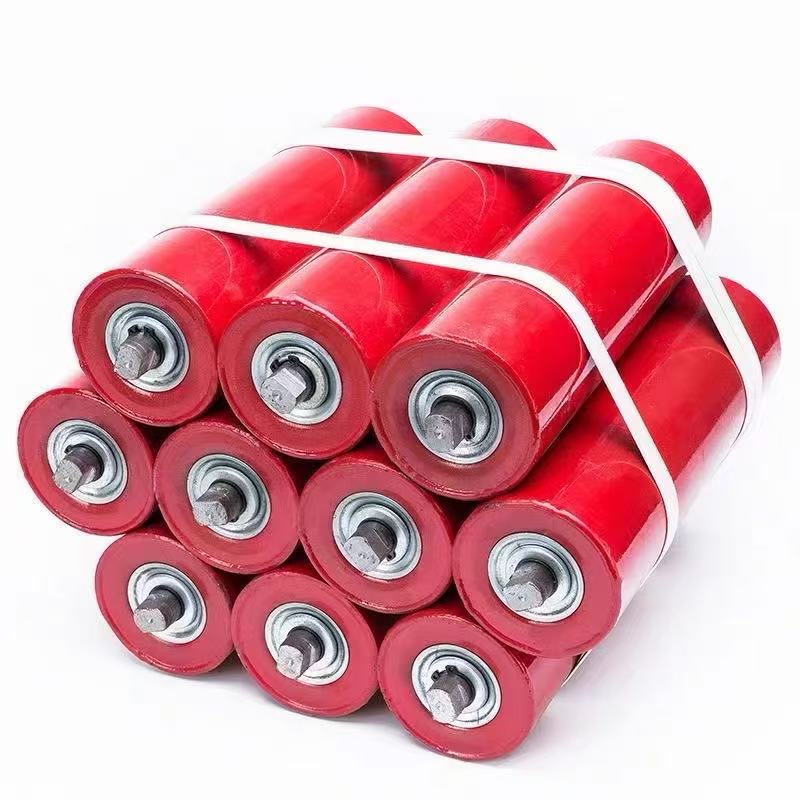 Conveyor Idler Rollers
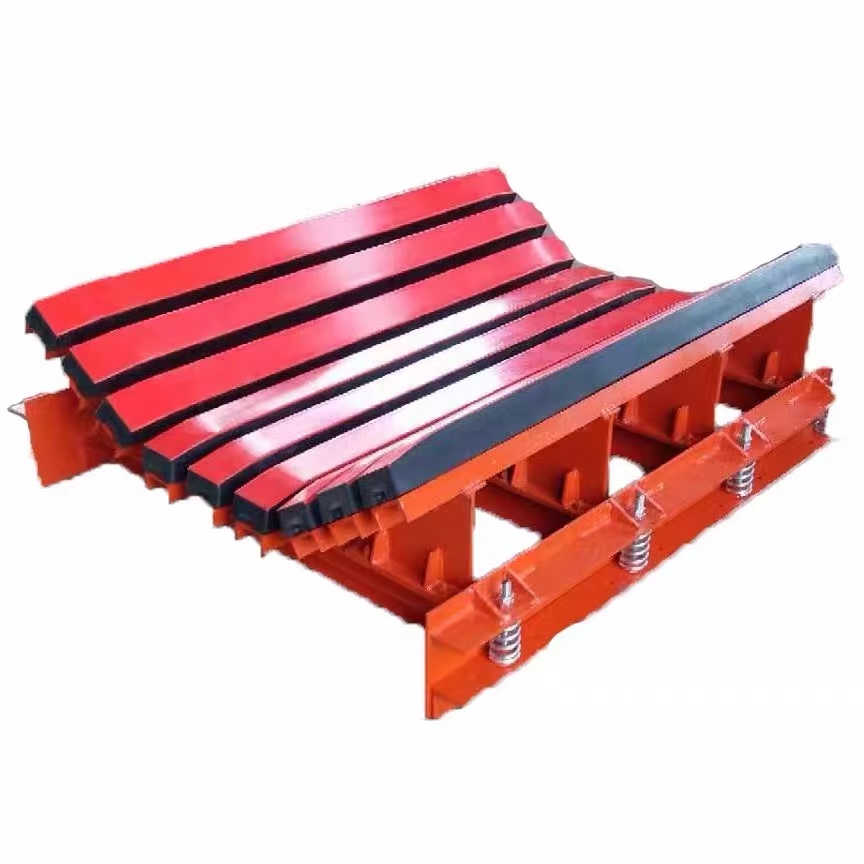 Impact Beds & Impact Bars
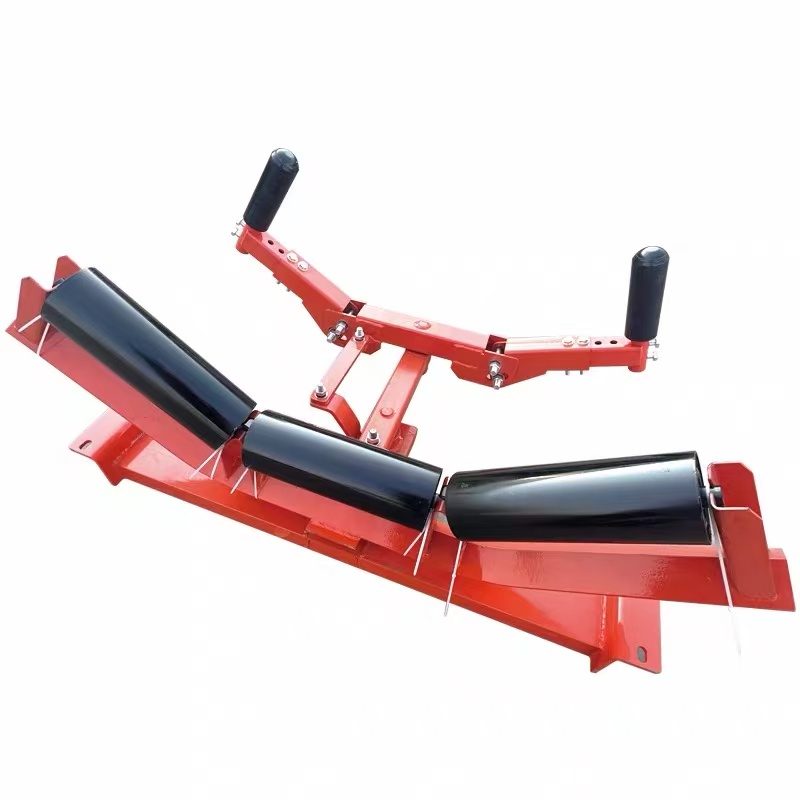 Belt Alignment Trackers
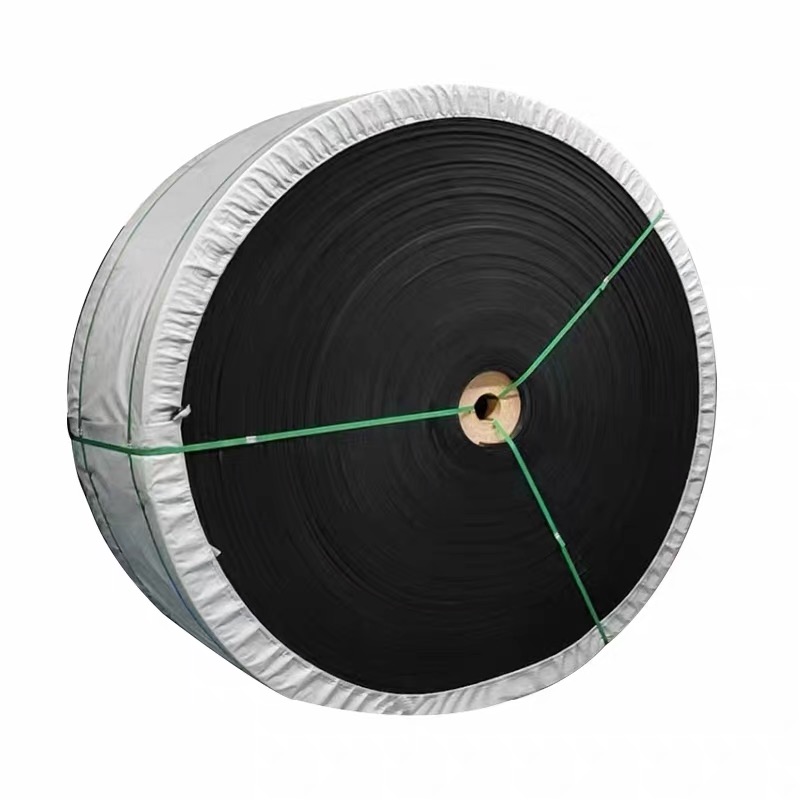 Conveyor Belts